

When it comes to eating healthy, we often hear about adding more protein to our diets, choosing healthier fats, and cutting back on sugar. But one essential nutrient that often gets overlooked is fiber.
Unlike protein and healthy fats, fiber has a quieter reputation in the world of nutrition. Most people associate it with better digestion, but its benefits go beyond keeping a regular bowel movement.
From supporting heart health and balancing blood sugar, to nourishing your gut microbiome and helping you stay fuller for longer, fiber plays a bigger role in overall health than many people realize.
So, what exactly is fiber, why does your body need it, and how can you make sure you’re getting enough? Let’s take a closer look.
What Is Fiber And Why Do You Need It For Your Diet?
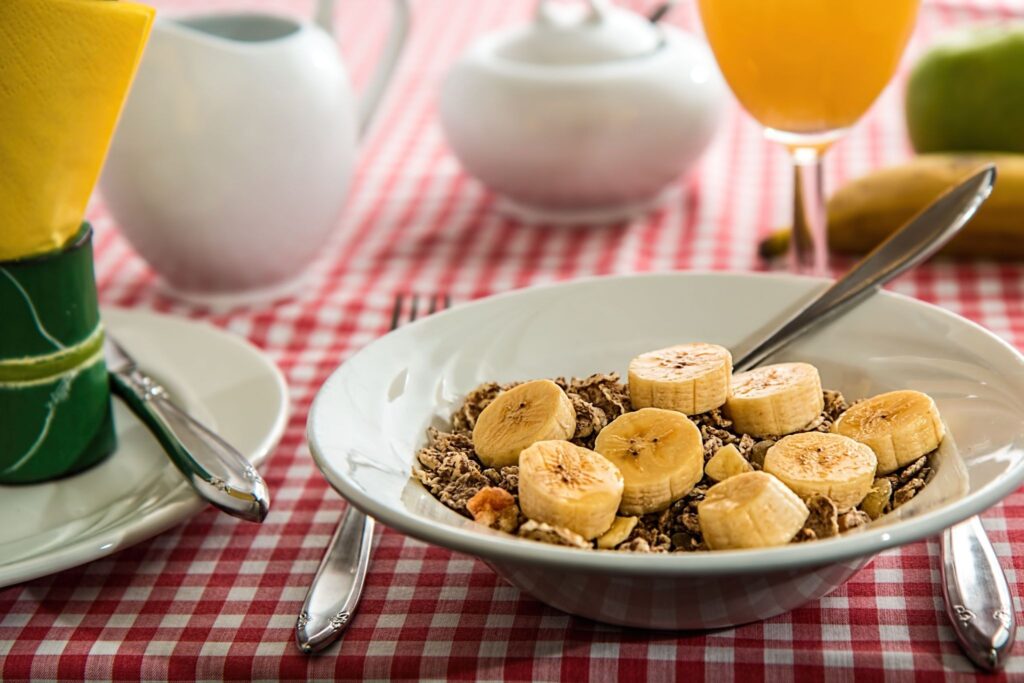
Fiber is a type of carbohydrate found naturally in plant foods such as fruits, vegetables, whole grains, legumes, nuts, and seeds. Unlike other carbohydrates, however, fiber isn’t broken down or absorbed by the body.
Instead, it passes through the digestive system, where it plays a vital role in keeping your gut healthy and your body functioning at its best. There are two types of fiber: soluble and insoluble. Both are essential for good health.
Soluble fiber dissolves in water forming a gel-like substance. It helps lower cholesterol, regulate blood sugar levels, and support heart health. Soluble fiber can be found in foods such as oats, barley, beans, lentils, apples, avocados, bananas, citrus fruits, carrots, and chia seeds.
Insoluble fiber does not dissolve in water. It helps promote healthy digestion and regular bowel movements. These can be found in whole grains, wheat bran, nuts, seeds, cauliflower, potatoes, brown rice and green beans.
The healthiest diet includes a variety of both soluble and insoluble fiber, as they work together to support critical health functions—from a healthy gut microbiome to good cardiovascular health.
How Much Fiber Do You Need?
Research shows that diets rich in fiber are associated with a lower risk of heart disease, type 2 diabetes, colorectal cancer, and obesity. For these reasons, eating a variety of fiber-rich foods is considered part of a balanced, healthy diet.
These are the following daily fibre diet recommendations for adults according to the National Academy of Medicine:
For Men Older than 50 years old: 30 grams
For Men Age 50 or younger: 38 grams
For Women Older than 50 years old: 21 grams
For Women Age 50 or younger: 25 grams
Benefits of Eating A High-Fiber Diet
A fiber-rich diet does more for your body than just keeping the digestive system functioning smoothly. Research has shown that consistently eating enough fiber benefits nearly every aspect of health. Here are some of the best reasons to make fiber a daily part of your diet.
1. Fiber supports digestive health
Fiber helps keep food moving through your digestive tract, promoting regular bowel movements and reducing the risk of constipation. It also feeds the good bacteria in your gut, supporting a healthier gut microbiome that’s linked to better digestion and immunity.
2. It supports good heart health
Soluble fiber helps lower LDL (“bad”) cholesterol by binding to cholesterol in the digestive tract and removing it from the body. Studies have also linked higher fiber intake to a lower risk of heart disease, making it a key nutrient for long-term cardiovascular health.
3. Fiber helps regulate blood sugar levels
Fiber slows the absorption of sugar into the bloodstream, preventing sharp blood sugar spikes after meals. This is beneficial for people with diabetes or those looking to reduce their risk of developing type 2 diabetes.
4. It keeps you feeling full for longer
High-fiber foods take longer to digest, helping you stay satisfied between meals. This can naturally reduce overeating, support healthy weight, and make it easier to maintain healthy eating habits without feeling deprived.
5. Fiber can potentially reduce risk of chronic diseases
A diet rich in fiber has been associated with a lower risk of several chronic conditions, including colorectal cancer, type 2 diabetes, obesity, and cardiovascular disease. Simply eating more fiber-rich foods such as fruits, vegetables, legumes, and whole grains can have lasting benefits for your health.
Nourish Your Body From the Inside Out
Good health isn’t built on a single habit. It’s the result of a lifestyle that brings together balanced nutrition, regular movement, quality sleep, and proper recovery. While eating enough fiber is an important step toward better digestion, heart health, and overall wellbeing, it works best alongside an active lifestyle that keeps your body strong and resilient.
Here at Physique 57, we believe that true wellness starts with caring for your body inside and out. Pair a fiber-rich diet with movement that builds strength, improves endurance, and leaves you feeling energized.
Explore Physique 57’s signature wellness programs. From barre and Pilates to low-impact strength training, every workout is designed to help you invest in a healthier, stronger future.
References
https://pmc.ncbi.nlm.nih.gov/articles/PMC5731843
https://www.nomeatmay.org/blog/fibre-hero-of-nutrition
https://www.healthdirect.gov.au/high-fibre-foods-and-diet
https://www.healthline.com/nutrition/why-is-fiber-good-for-you