The most effective at home barre workout combines isometric holds, small-range pulses, and targeted muscle engagement across time-efficient sessions ranging from 10 to 45 minutes. This approach delivers studio-quality results without requiring specialized equipment or a commute, making it ideal for busy professionals, former studio-goers, and fitness newcomers alike. By structuring your workout routine around specific body areas: core exercises, glute exercises, leg workouts, and arm sequences. You can achieve the sculpting and strengthening benefits that have made barre one of the most sought-after fitness methods.
What Is Barre and Why Is It So Effective?
Barre is a low-impact workout method that fuses elements of ballet, strength training, Pilates, and yoga to create a full-body strengthening and toning experience. The technique centers on small, controlled movements that target muscles to the point of fatigue, followed by stretching to elongate and define.
What makes barre uniquely effective is its reliance on isometric contractions—holding your body still while engaging specific muscles. This approach activates slow-twitch muscle fibers that traditional strength training often misses, creating lean muscle definition without bulk. The method also emphasizes proper alignment and posture, which translates to functional strength you use in everyday life.
Unlike high-impact workouts that stress joints, barre keeps movements controlled and deliberate. This makes it accessible for a wide range of fitness levels while still delivering significant results. The combination of muscular endurance work, flexibility training, and core engagement in a single session explains why barre has maintained its popularity among those seeking efficient, results-driven workouts.
Benefits of an At Home Barre Workout Routine
An at home barre workout delivers the same sculpting and strengthening benefits as studio classes while eliminating common barriers like commute time, class schedules, and gym intimidation. For busy professionals juggling work and family responsibilities, this accessibility transforms fitness from a logistical challenge into a sustainable habit.
The physical benefits extend across multiple fitness dimensions. Regular barre practice improves muscular endurance, particularly in the core, glutes, and thighs. The emphasis on postural alignment strengthens lower back exercises and supports spinal health, which is especially valuable for those who spend hours at a desk. Flexibility gains come naturally through the stretching sequences integrated into every session.
Beyond the physical, home-based barre workouts offer mental and lifestyle advantages. The low-impact nature makes it suitable for postpartum recovery or those managing joint concerns. The meditative quality of focused, controlled movement provides stress relief that complements the physical workout. Programs like Energize with Kameica specifically target this mind-body connection, combining movement with motivation to boost both energy and mood.
The consistency factor cannot be overstated. When your workout is available in your living room at any hour, the excuses that derail fitness goals simply disappear. This accessibility is what transforms occasional exercise into a true workout routine that produces lasting results.
Time-Based Barre Workouts: 10, 25, 45 and 60 Minute Options
The most effective at home barre workout is one you will actually complete, which is why having time-based options matters more than any single “perfect” routine. Different session lengths serve different purposes, and understanding when to use each maximizes your results.
10 minute sessions work best as targeted add-ons or busy day minimums. These focused bursts typically concentrate on a single area like a quick core blast, a glute-focused series, or an arm sequence. While brief, these sessions maintain your momentum on days when a full workout is not possible. They also serve as excellent warm-ups or cool-downs when paired with other activities.
25 to 30 minute sessions represent the sweet spot for most busy professionals. This duration gives enough time to complete a full-body sequence with a warm-up, targeted muscle work, and stretching without a significant time commitment. Research aligned with ACSM physical activity guidelines supports that consistent moderate-duration sessions produce meaningful strength and endurance improvements.
45 to 60 minute sessions deliver the comprehensive studio experience at home. These longer workouts allow for deeper muscle fatigue, extended holds, and more thorough stretching. They are ideal for days when you have more time and want to push your practice further. The Classic 57 Workouts program offers structured sessions across these time ranges, allowing you to match your workout to your schedule without sacrificing the signature Physique 57 intensity.
The key is building a weekly rhythm that incorporates different session lengths based on your available time. Three 30 minute sessions combined with two 10 minute targeted workouts create a sustainable, effective weekly structure.
Targeted Exercises: Core, Glutes, Legs, and Arms
Effective barre programming addresses each major muscle group through specific movement patterns designed to fatigue and sculpt. Understanding what each section targets helps you build balanced routines and choose workouts that address your personal goals.
Arm workouts with dumbbells or bodyweight resistance round out the full-body approach. Barre arm sequences use light to medium weights (typically two up to eight pounds) with high repetitions to create muscular endurance and definition without bulk. Movements include small pulses in various arm positions, tricep work, and shoulder sequences that target the deltoids from multiple angles.
Leg workouts encompass quad exercises and hamstring exercises through signature barre positions. Thigh work, often considered the most challenging portion of class, uses positions like narrow athletic stance, wide second position, and parallel chair pose to fatigue the quadriceps through sustained holds and tiny pulses. Hamstring work typically happens during barre and floor sequences, using curls and bridge variations to balance the anterior and posterior leg muscles.
Glute exercises in barre target all three gluteal muscles through varied positions. Standing work at the barre (or using a chair at home) includes leg lifts and small pulses that isolate the gluteus medius and minimus. Floor work on all fours or lying on your side adds direct gluteus maximus engagement. The combination of isometric holds and small-range movements creates the lifted, sculpted appearance that draws many people to barre.
Core exercises form the foundation of every barre workout. The method emphasizes deep core engagement, not just the surface abdominals, but also the transverse abdominis and obliques that support your spine and improve posture. Typical movements include planks with small pulses, c-curve holds that challenge the entire abdominal wall, and standing core work that integrates balance. This constant core activation is what gives barre its reputation for creating long, lean midsections.
To explore workouts organized by these focus areas, the full Physique 57 catalog allows you to filter by body part and find sessions matched to your specific goals.
Beginner Workout Routine at Home: Getting Started Safely
Starting a beginner workout routine at home requires understanding proper form before adding intensity, and barre’s emphasis on alignment makes it particularly well-suited for newcomers. The method’s low-impact nature means you can learn the movements without risking injury, while still building real strength from your first session.
Begin by mastering the foundational positions. In barre, proper alignment means stacking your joints: ankles under knees, knees under hips, shoulders over hips, and maintaining a neutral spine.
Start with shorter sessions and prioritize form over depth or duration. A 10 or 15 minute beginner class allows you to focus on understanding the movements without fatigue compromising your technique. As the positions become familiar, you can extend your session length and add more challenging variations.
Listen to your body’s feedback, particularly distinguishing between productive muscle fatigue and joint discomfort. Barre should create a burning sensation in the working muscles—this indicates the isometric contractions are doing their job. Sharp pain, especially in your joints, signals that you need to adjust your position or reduce your range of motion.
The Start Here collection on Physique 57 On Demand provides a curated onboarding path designed specifically for those new to barre. These introductory sessions break down fundamental positions and build your understanding progressively, ensuring you develop proper technique that will serve you as you advance.
For those returning to exercise after pregnancy or managing joint concerns, barre’s controlled movements offer a gentle re-entry point. The ability to modify depth and intensity while maintaining the core movement pattern means you can participate fully while respecting your body’s current capacity.
No Equipment Needed: Bodyweight Barre Exercises
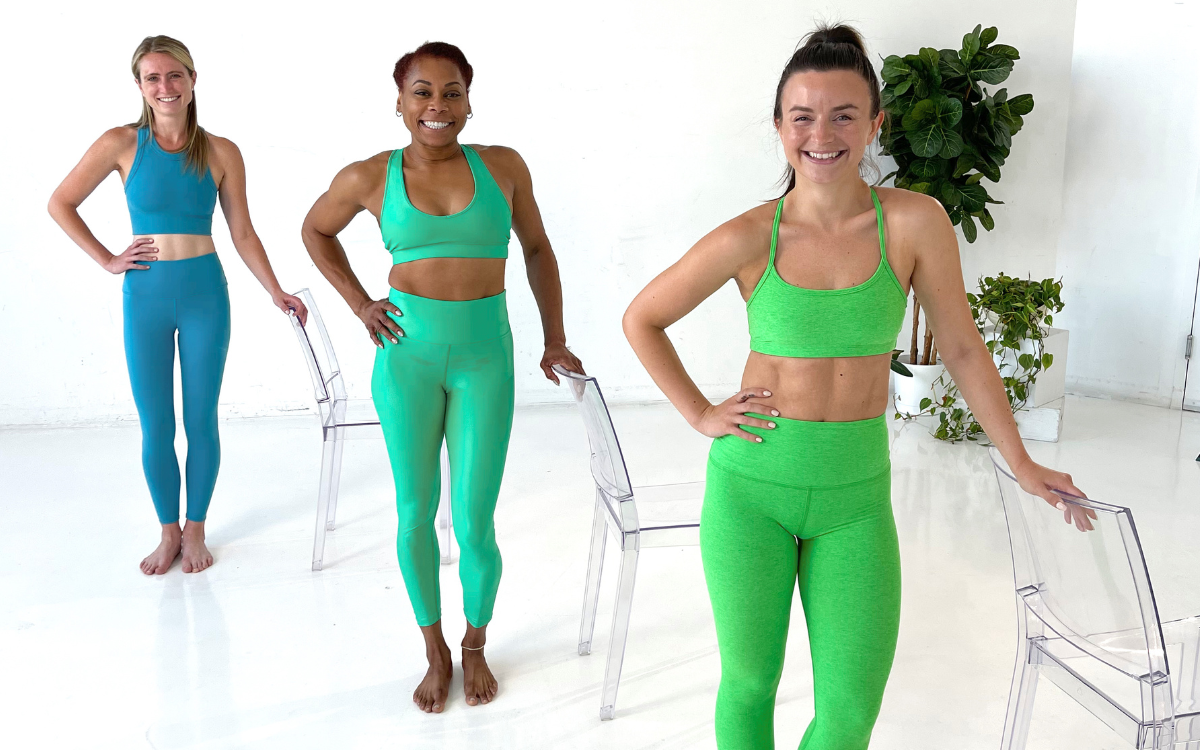
You can do a complete, effective barre workout using only your bodyweight and a sturdy chair or countertop for balance support. The misconception that barre requires specialized equipment keeps many people from starting, but the method works because of body positioning and muscle engagement, not external resistance.
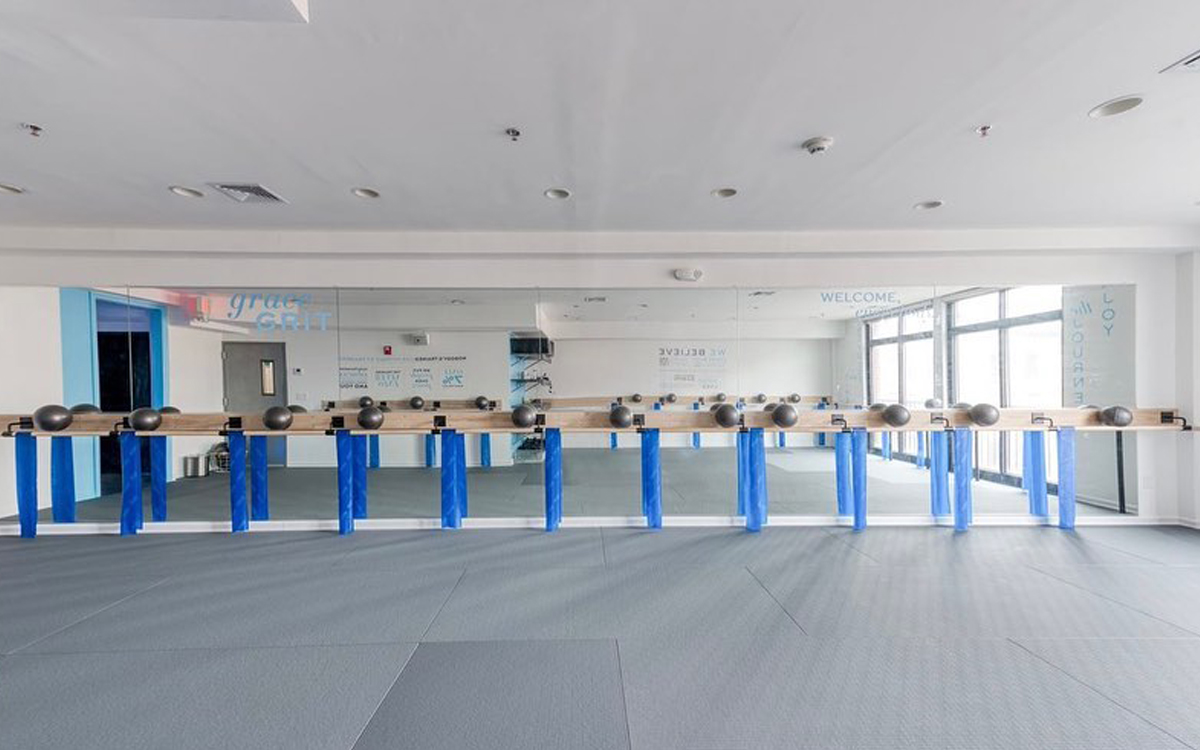
Your chair or countertop serves the same function as a studio barre: light balance support that allows you to focus on the working muscles without worrying about stability. Position yourself so you can rest your fingertips on the surface without gripping or leaning your weight into it. The goal is assistance, not dependence.
Bodyweight barre exercises that require no equipment include:
- Parallel thigh work: Standing with feet hip-width apart, lower into a narrow squat position and hold, adding small pulses to increase intensity
- Wide second position: With feet wider than hip-width and toes turned out, lower your hips and pulse, targeting inner thighs and quadriceps
- Standing seat work: Holding your chair for balance, extend one leg behind you and pulse upward to engage the glutes
- Pretzel position: A floor-based glute exercise where you sit with one leg bent in front and one behind, lifting the back leg to isolate the gluteus medius
- Forearm plank series: Core work that requires only floor space, incorporating holds and small movements to challenge the entire abdominal wall
The Propless Workouts Barre program offers complete sessions designed specifically for equipment-free practice. These workouts prove that the intensity and effectiveness of barre come from the method itself, not from accessories.
If you choose to add light equipment over time, common additions include two to three-pound hand weights for arm work, a small playground ball for inner thigh engagement, and a mat for floor comfort. However, none of these are required to experience the full benefits of an at home barre workout.
Start Your At Home Barre Journey with Physique 57 On Demand. No Guesswork.
Physique 57 On Demand brings over 500 studio-quality barre classes directly to your living room, offering the same methodology that has defined boutique barre fitness for nearly two decades. The platform provides structured online workout plans that remove the guesswork from building an effective home practice.
The library spans every duration, intensity level, and focus area discussed in this guide. Whether you need a 10 minute targeted session between meetings or a 45 minute full-body challenge on the weekend, the content exists and is organized for easy discovery. New classes are added regularly, ensuring your workout routine stays fresh and your muscles continue to be challenged in new ways.
For those who thrive on scheduled accountability, the live class calendar offers real-time sessions where you can work out alongside instructors and other members. This option bridges the gap between home convenience and studio community, providing the motivation of a shared experience without leaving your space.
Accessibility extends beyond your computer. The Physique 57 apps allow you to stream workouts on your phone, tablet, or TV, meaning your workout travels with you and fits whatever space you have available. This flexibility eliminates the final barrier between intention and action.
The most effective at home barre workout is ultimately the one you do consistently. With a library that meets you wherever you are—in time, fitness level, and available equipment—Physique 57 On Demand provides the structure and variety needed to make barre a sustainable part of your life. Start your membership today and experience why this method has transformed bodies and built lasting fitness habits for thousands of members.
Frequently Asked Questions
What equipment do I need for an at-home barre workout?
You need only a sturdy chair or countertop for balance support to complete an effective at-home barre workout. The method relies on bodyweight resistance and precise positioning, not specialized equipment. Optional additions include light hand weights (two to three pounds), a small ball, and a mat for floor comfort, but none are required to experience full results.
Does barre tone your body?
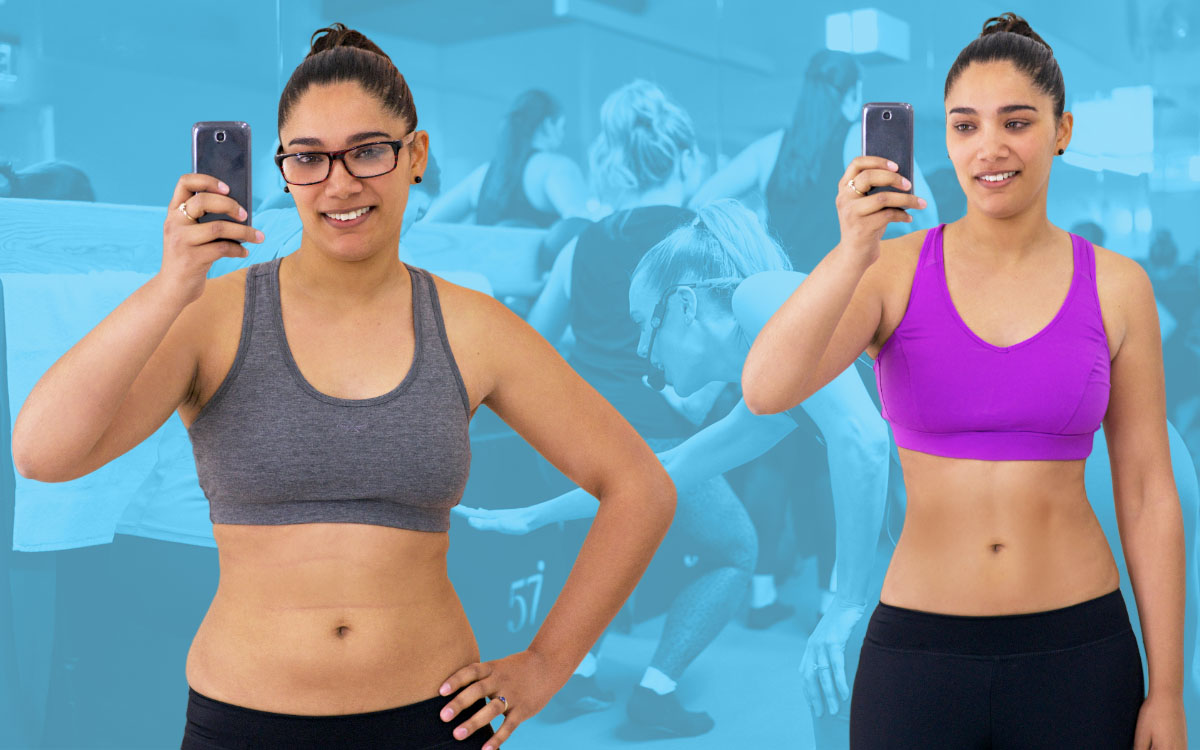
Yes, barre effectively tones your body through isometric contractions and high-repetition movements that fatigue muscles and create lean definition. The method targets slow-twitch muscle fibers that contribute to muscular endurance and a sculpted appearance. Consistent practice produces visible changes in muscle tone, particularly in the core, glutes, thighs, and arms.
How many days per week should I do an at-home barre workout?
Three to five days per week produces optimal results for most people practicing barre at home. This frequency allows adequate muscle recovery while maintaining consistency. Beginners may start with three sessions weekly, while more experienced practitioners can increase to five or six days by varying intensity and focus areas across sessions.
Is barre a good workout for beginners with no experience?
Barre is excellent for beginners because the low-impact movements and emphasis on proper alignment reduce injury risk while building foundational strength. The method allows modifications for every position, meaning newcomers can participate fully while learning. Starting with beginner-focused classes that break down fundamental positions ensures safe progression.
How long should an at-home barre workout be to see results?
Sessions of 25 to 30 minutes performed consistently produce visible results within four to six weeks. This duration provides sufficient time for full-body engagement without requiring excessive time commitment. Shorter 10-minute sessions can supplement longer workouts on busy days, while 45-minute sessions offer deeper work when time allows.
Can you do a barre workout at home without a barre?
Absolutely. A chair back, countertop, or even a wall provides the light balance support needed for standing barre work. The barre itself is simply a tool for stability. The effectiveness comes from the movements and muscle engagement, not the equipment. Many floor-based barre exercises require no support at all.
Is barre low-impact enough for people with joint pain or postpartum recovery?
Barre is well-suited for those with joint concerns or recovering postpartum because movements are controlled, low-impact, and easily modified. The method strengthens muscles that support joints without the jarring impact of jumping or running. Postpartum practitioners benefit from the core-rebuilding focus, though consulting a healthcare provider before starting any new exercise program is always recommended.