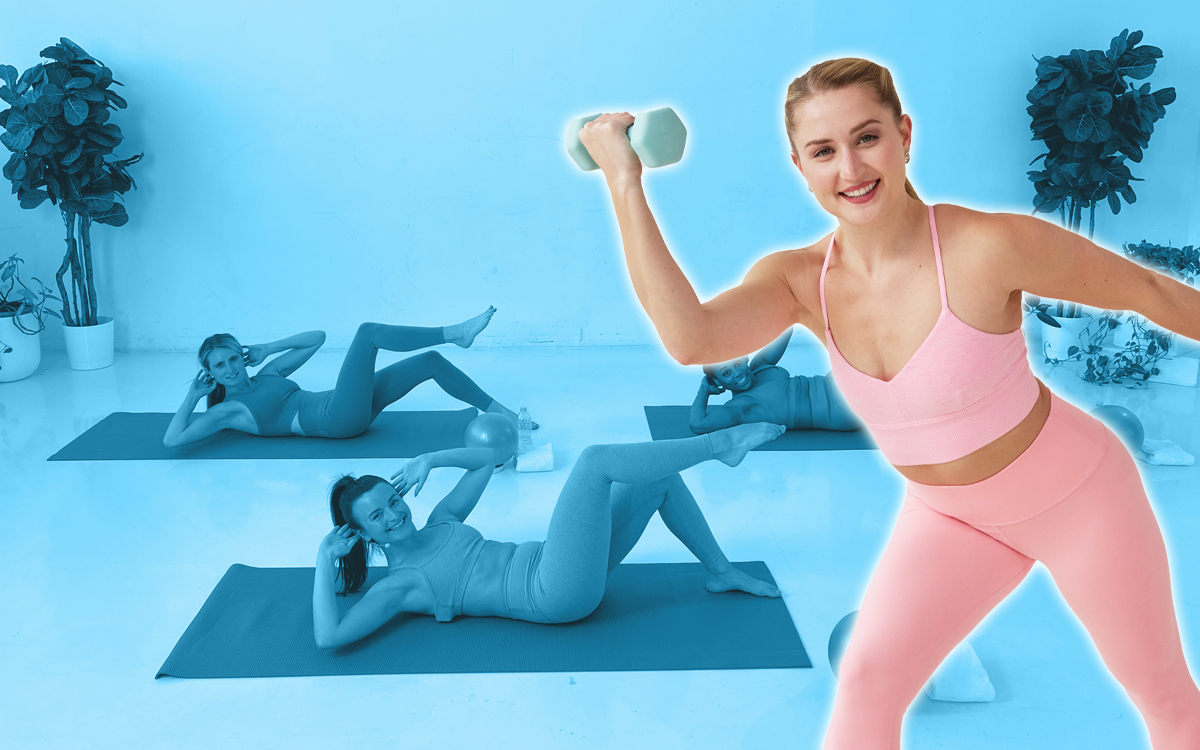
Movement is medicine, especially for your heart.
Your heart works for you every second of every day to pump oxygen, blood and nutrients throughout your body, keeping you energized for everything life throws your way. And yet heart health is often overlooked until something feels off.
Cardiovascular exercises like brisk walking, dancing, and high-energy workouts can help strengthen your heart, improve circulation, and support longevity.
In this blog, we’ll break down why cardio matters for heart health, how it compares to strength training, and how much your body really needs for a stronger heart and healthier life.
The Benefits of Exercising for Your Heart Health
Exercise does far more than help you stay fit. It plays a major role in protecting your cardiovascular health.
Regular physical activity strengthens the heart muscle, improves blood circulation, and helps lower the risk of heart disease, high blood pressure, and stroke. It can also help regulate cholesterol levels, support healthy blood sugar, and reduce stress, all of which benefit your heart health.
Whether it’s walking, dancing, cycling, strength training, or even taking a barre class, moving your body consistently helps your heart work more efficiently. Think of exercise as training not just for your muscles, but for one of the most important organs in your body: your heart.
How Much Cardio Do You Really Need?
The amount of beneficial cardiovascular activity could vary depending on your age or lifestyle.
The CDC (US Centers for Disease Control and Prevention) generally recommends adults to aim for at least 150 minutes of moderate-intensity cardio per week or 75 minutes of vigorous exercises spread throughout the week. Meanwhile, adding strength training to your routine at least twice a week is also recommended for overall cardiovascular health.
If you’re wondering how long it takes to improve cardiovascular health, consistent aerobic exercise can start improving circulation, endurance, and heart efficiency within just a few weeks, with more noticeable cardiovascular benefits typically appearing after 8–12 weeks of regular activity, according to the American Heart Association.
The key is consistency. Even moderate exercise done regularly can significantly support long-term heart health.
Cardio vs. Strength Training
When it comes to heart health, both cardio and strength training play important, albeit different roles. Cardio exercises like walking, running, cycling, or dance-based workouts primarily focus on raising your heart rate and improving cardiovascular endurance. Over time, this strengthens the heart, improves circulation, and helps lower the risk of heart disease.
But the best fitness routine is about balance. And combining cardio with strength training creates a well-rounded approach that benefits both your muscles and your cardiovascular health in the long term.
Strength training focuses on building muscle through resistance. While it may not keep your heart rate elevated in the same way cardio does, it still supports heart health by improving metabolism, supporting healthy blood sugar levels, and maintaining a healthy weight.
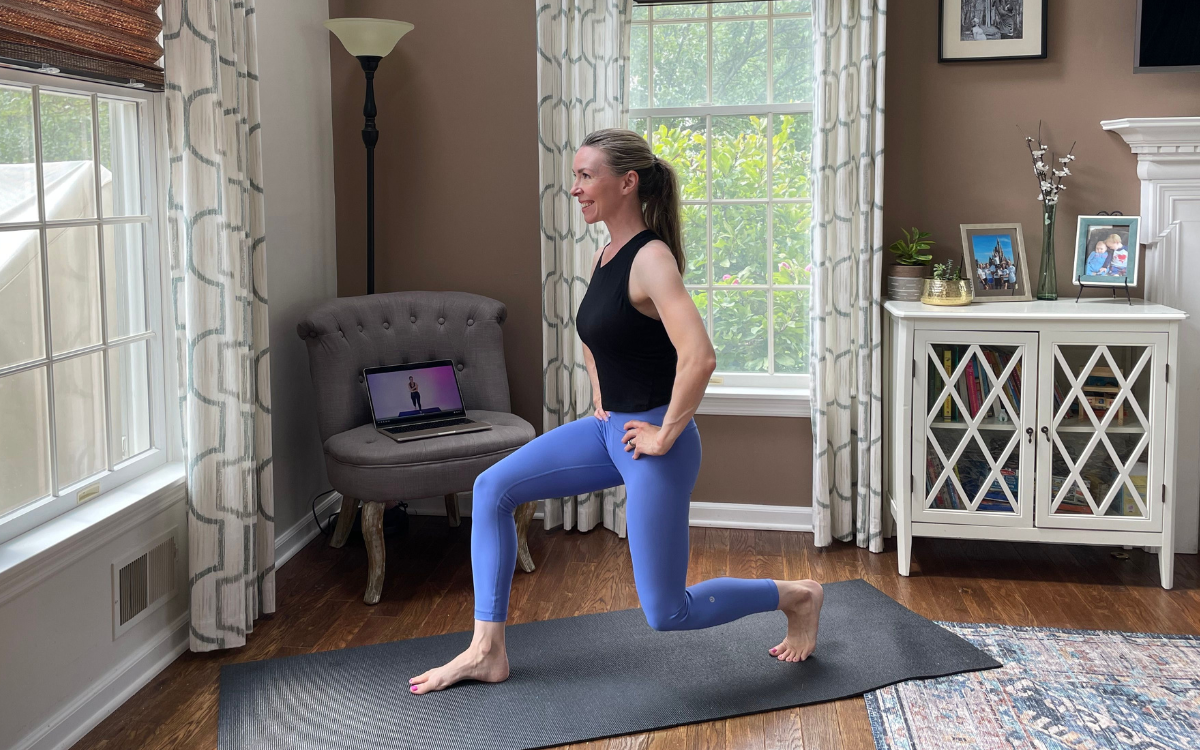
These include movements like squats, lunges, push-ups, planks, resistance band workouts, and weightlifting, as well as exercises like barre and Pilates. While barre and Pilates may not rely on heavy lifting, they build lean muscle, improve muscular endurance, and strengthen smaller stabilizing muscles that support balance, posture, and everyday movement.
How Barre and Pilates Benefit Cardiovascular Health
Barre and Pilates also benefit cardiovascular health, even though they’re known more for strength and sculpting than traditional cardio.
Practicing Pilates helps improve blood circulation, breathing efficiency, muscular endurance, and overall physical activity levels, while also helping to reduce stress, an important factor in heart health.
Barre workouts combine strength focused movements with continuous, high-repetition exercises that can keep the heart rate elevated throughout classes.
Generally, regular movement of any kind supports heart health, lowers blood pressure, and improves circulation. Expert studies have also shown that consistent Pilates practice may improve cardiorespiratory fitness, increase VO₂ max (your maximum oxygen uptake), and endurance over time.
Move For Your Heart’s Health
At the end of the day, cardio isn’t just about burning calories, it’s about taking care of the organ that keeps you going every single day. Whether it’s through walking, strength training, barre, or Pilates, consistent movement can help support better circulation, endurance, and long-term cardiovascular health.
If you’re looking for a workout that challenges your muscles while keeping your body moving with intention, try Physique 57’s iconic barre and Pilates classes and get ready to sculpt and transform your body from inside out. With dynamic, high-energy movements designed to build strength, it can be a powerful way to support your heart health in the long term.
References:
- https://www.cdc.gov/physical-activity-basics/guidelines/adults.html
- https://www.healthline.com/health/cardio-everyday
- https://www.runnersworld.com/uk/training/a69038632/minimum-amount-of-cardio-for-runners
- https://www.health.harvard.edu/heart-health/how-much-cardio-should-you-do
- https://health.clevelandclinic.org/cardio-vs-strength-training
- https://www.mayoclinic.org/healthy-lifestyle/fitness/in-depth/exercise/art-20048389